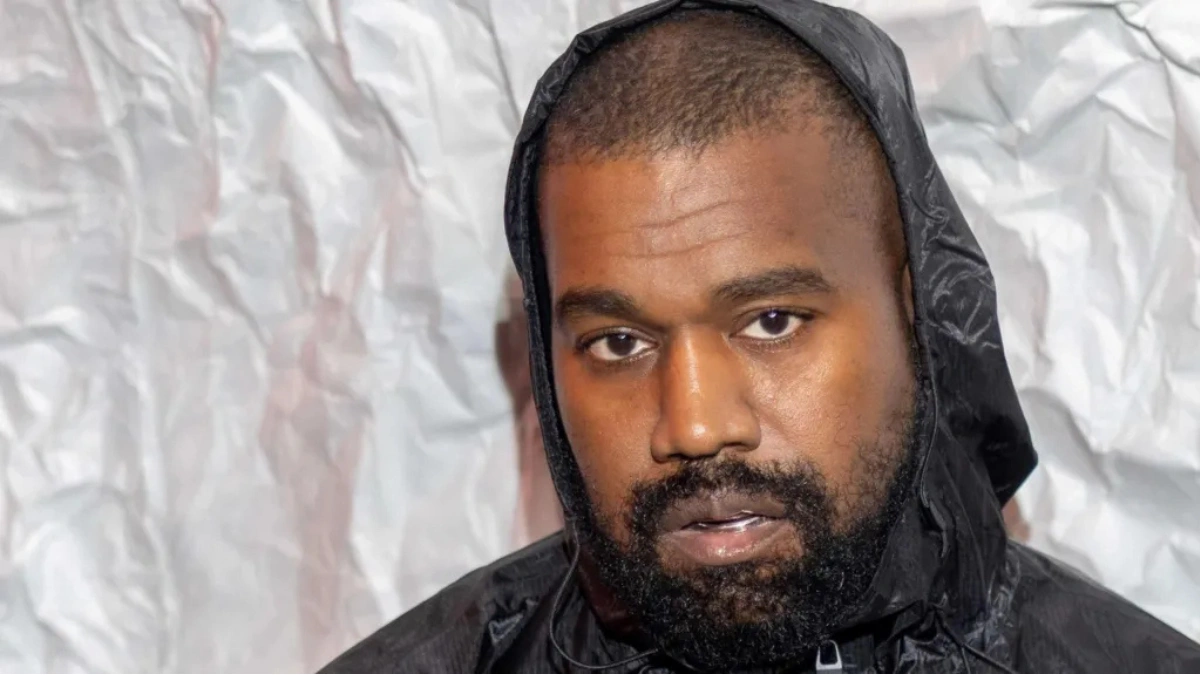
Kanye West
Few artists have shaped modern hip-hop as deeply as Kanye West, now known as Ye. He rose from in-demand producer to global superstar and changed the sound of rap in the 2000s and 2010s. But alongside his creative achievements, his career has been repeatedly overshadowed by controversy, divisive statements and public backlash, and in recent years the backlash has become impossible to ignore.
From the producer’s chair to global fame
West first made his name behind the scenes, producing for major artists including Jay-Z and Alicia Keys. His soul-sampling production style on records such as Jay-Z’s The Blueprint quickly made him one of the most sought-after producers in the business.
In 2003 he launched his solo career with “Through the Wire”, a track famously recorded while his jaw was wired shut after a serious car accident. It was the start of an extraordinary run. His debut album, The College Dropout, followed in 2004 and challenged the image of what a successful rapper could look and sound like.
Over the next decade he delivered hit after hit, including “Gold Digger”, “Stronger” and “Heartless”, and albums such as 808s & Heartbreak and My Beautiful Dark Twisted Fantasy that pushed hip-hop in new directions. He won 24 Grammy Awards and became one of the most influential musicians of his generation.
Early controversies
Even at the height of his success, West’s outspoken and impulsive behaviour attracted attention. In 2005, during a televised fundraiser for the victims of Hurricane Katrina, he went off script to say that then-President George W. Bush “doesn’t care about Black people”. Some praised him for saying what others would not. Others saw the moment as reckless.
Four years later came one of the most famous moments in awards show history. At the 2009 MTV Video Music Awards, he walked on stage while Taylor Swift was accepting an award and took the microphone to declare that Beyoncé deserved it instead. The incident sparked a feud that would resurface for years. For more on Swift’s story since then, read about Taylor Swift becoming the youngest member of the Nashville Songwriters Hall of Fame.
“Bill Cosby innocent”
In 2016, West caused outrage with a social media post declaring “BILL COSBY INNOCENT!!!!!!!!!!” at a time when the comedian was facing numerous allegations of sexual assault. The post drew widespread criticism. Cosby was later convicted in 2018, and the conviction was overturned on procedural grounds in 2021, but West’s support was seen by many as deeply insensitive to the women who had come forward.
The slavery comment
In 2018, during an interview with TMZ, West suggested that 400 years of slavery “sounds like a choice”. The remark caused immediate fury. Historians and critics pointed out that slavery was built on forced displacement, violence and systemic oppression, making the comment factually and morally indefensible. West later said he had been talking about “mental imprisonment”, but the damage was done.
That same year, he spoke publicly about having been diagnosed with bipolar disorder. His mental health has since become part of the wider conversation about his behaviour, with some people urging compassion and others warning that it should not be used to excuse harmful words.
“White Lives Matter” and the loss of Adidas
West’s influence stretches into fashion, but controversy followed him there too. At his Yeezy show during Paris Fashion Week in October 2022, he wore a “White Lives Matter” T-shirt, a slogan that anti-racism groups condemned as a deliberate dig at the Black Lives Matter movement. He was also photographed with the conservative commentator Candace Owens wearing the same shirt.
Weeks later he posted that he would go “death con 3 On Jewish people”, one of a series of antisemitic remarks that autumn. The consequences were swift. Adidas ended its hugely lucrative Yeezy partnership, and other brands and agencies cut ties. In December 2022, appearing on a show hosted by conspiracy theorist Alex Jones, he said: “I see good things about Hitler.”
The provocations continued. In May 2025, he released a song called “Heil Hitler” and sold T-shirts featuring swastikas, deepening the anger of Jewish communities around the world.
Apology and the Wireless ban
In January 2026, West published a lengthy apology in the Wall Street Journal for his past actions, and he began working towards a return to mainstream stages. He played two sold-out concerts at SoFi Stadium in Los Angeles, telling the crowd: “Tonight we’re going to put all this behind us, ain’t that right LA?”
Many people were not convinced. When London’s Wireless Festival booked him as a headliner for summer 2026, there was immediate backlash from Jewish groups and politicians. West said he “would be grateful” to meet members of the Jewish community in the UK, adding: “I know words aren’t enough. I’ll have to show change through my actions.”
On 7 April 2026, the UK Home Office refused his application to travel to the country, stating that his presence would not be “conducive to the public good”. Wireless was cancelled shortly afterwards, with refunds promised to all ticket holders. Prime Minister Sir Keir Starmer said West “should never have been invited to headline Wireless”.
The decision showed how far his reputation has fallen. Not long ago, he was one of the most bankable live acts in the world. Now governments are refusing to let him in.
A legacy divided
West remains one of the most influential figures in modern music. Producers still borrow from his sound, and many artists cite his albums as major inspirations. Yet his legacy is increasingly split. To some, he is a creative genius who transformed hip-hop. To others, he is a figure whose hateful statements have made it impossible to separate the art from the artist.
His story raises bigger questions about fame, mental health and accountability. Can brilliant work outweigh public behaviour? How much should an apology count when it comes after years of harm? And who gets to decide when someone has changed? Those questions have no easy answers, and fans themselves are split. Some have stopped listening altogether, while others still stream his classic albums but refuse to buy tickets or merchandise. Each fan, in effect, draws their own line. West’s career has turned that private choice into one of the most public debates in music.
Mental health is part of that debate. West spoke openly about living with bipolar disorder around the release of his 2018 album Ye, whose cover read: “I hate being Bi-Polar its awesome.” Supporters argue that his condition should be taken into account when judging his behaviour. Critics reply that illness can explain some things but does not excuse years of repeated antisemitic statements, many of them made deliberately and defended afterwards.
What is clear is that the ground has shifted. Fans, festivals and governments are now willing to say no, and talent alone is no longer enough to guarantee a stage.
Related reading
- Kim Kardashian and Lewis Hamilton Spark Buzz at Coachella 2026 with North West
- Taylor Swift’s New Album Drives Universal Music Revenue Growth in 2025
- Bad Bunny Super Bowl halftime show did not violate any rules following investigation
About the Author