
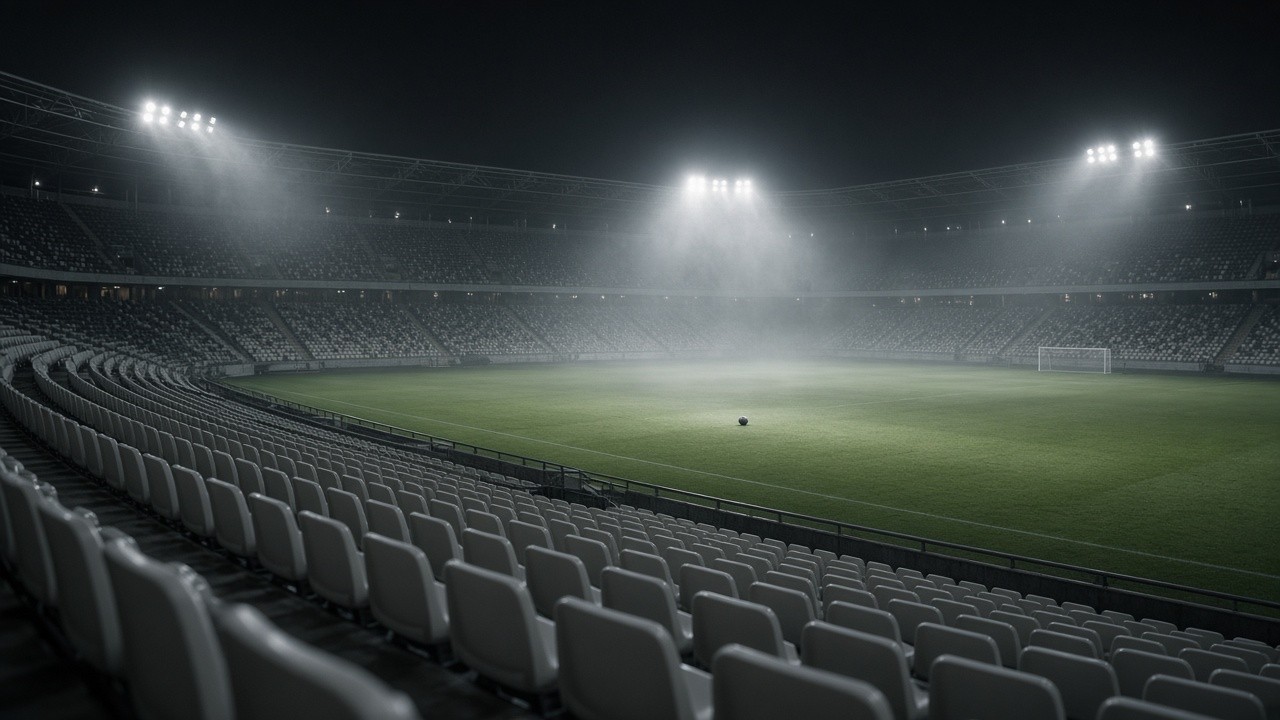
It started with a laugh on a French chat show. Within days it had cost one of the world’s most famous footballers several sponsorship deals, knocked Spanish football off Chinese television and forced Real Madrid into a public apology. The Mbappé Mao meme row has become the sports-celebrity story of the week, and a sharp reminder of how quickly a throwaway comment can turn into a commercial crisis.
Here is what Kylian Mbappé said, who has walked away, and why it matters far beyond one awkward clip.
What did Mbappé say?
The trouble began with a clip from the French programme The Bridge. Asked about the memes of himself that made him laugh most, Mbappé reportedly described a video of “a guy, I think he’s a Chinese dictator”, before laughing as the clip cut to a meme showing his face superimposed on an image resembling Mao Zedong, the founding leader of Communist China.
Reuters, which reported on the clip, said it could not independently authenticate the video. But it spread quickly on Chinese social media, where Mao remains a revered figure, and the backlash was immediate. According to Reuters, four topics related to the striker were among the top 10 searches on Weibo on 27 October.
The apology
Mbappé moved quickly. On 27 October he posted a statement on X in Chinese, French and English.
“My comment was ill-judged, and I now understand that it hurt many people in China and in Chinese communities around the world. I apologise to everyone my words have upset. This was absolutely not my intention. I have deep respect for the Chinese people and their history, and I am sincerely sorry.”
It was a clear, unhedged apology. It was not, however, enough to stop the commercial damage.
The sponsors who walked
At least three Chinese companies announced they were ending their partnerships with the France captain:
- Dongpeng Beverage, whose sports drink brand Bushuila had unveiled Mbappé as its ambassador only in April
- Mengniu, the dairy giant
- Milkground, the cheese maker
Each issued similarly worded statements saying they opposed “any words and actions that hurt national sentiment”, according to the Associated Press.
The fallout spread to Western brands too. Chinese outlet Phoenix reported that On and Dior had removed Chinese promotional content featuring Mbappé, although neither announced a global split. That distinction matters: there is a big difference between quietly pausing local campaigns and tearing up a worldwide contract.
Football disappears from Chinese TV
The reaction from Chinese state media was just as striking. On 26 October, China Media Group suspended coverage of La Liga and of matches involving Mbappé, and pulled advertisements in which he appeared.
A day later, an unnamed representative of the broadcaster delivered a pointed warning. “We will listen to his words, but watch his actions even more closely,” they said, urging Mbappé, Real Madrid and La Liga to learn from the episode.
For a league that has spent years courting Chinese viewers, losing access to one of the world’s biggest TV markets, even temporarily, is a serious blow.
Real Madrid and La Liga say sorry
Mbappé was not the only one apologising. La Liga said it “deeply regrets the offence” his comments had caused among Chinese fans, adding that his personal views do not represent the league.
Real Madrid went further, issuing an apology to the Chinese people on Wednesday. “Real Madrid C.F. wishes to express its apologies to the Chinese people for any discomfort that may have been caused by the recent words of our player Kylian Mbappé,” the club said.
China’s Foreign Ministry responded that it had taken Mbappé’s apology “seriously”. Whether that opens the door to sponsors returning remains uncertain.
Why China matters so much to football stars
The scale of the reaction makes more sense when you look at the money involved. China is a major market for international sports stars, and homegrown brands have signed multimillion-dollar endorsement deals with Mbappé, Norwegian striker Erling Haaland and NBA star Stephen Curry, among others.
Mbappé himself had built a sizeable following there, with about a million followers each on Xiaohongshu and Weibo. For a player whose global brand is as carefully managed as his game, losing that audience’s goodwill is costly.
Not an isolated case
This was not the only celebrity-China flashpoint of the week. Reuters reported that Hello Kitty maker Sanrio cancelled a collaboration with a Japanese TV spy show after a backlash in China, describing it as the second incident in days to highlight the tightrope foreign companies and celebrities must walk in the market.
The pattern is familiar. A remark or image that barely registers in Europe can become a national talking point in China within hours, and brands with significant Chinese revenue tend to move fast. For agents and brand managers across European football, the Mbappé episode will be studied closely, because the next viral clip could just as easily involve their client.
What it means for Mbappé
On the pitch, nothing changes. Mbappé remains one of the biggest names in the sport, a Real Madrid star and the face of a France side expected to challenge for major honours (we looked at the contenders in our Euro 2028 prediction piece).
Off the pitch, this is one of the biggest dents yet in a carefully managed commercial image. He has lost at least three sponsors in one market, seen his club and league forced into apologies, and handed rivals a reminder that even the most polished brands can be knocked off course by one unguarded moment.
The lesson for every star
Celebrities are encouraged to be more relaxed, funny and open on podcasts and chat shows than ever before. That openness is what makes clips go viral, but it also carries risks that a tightly controlled press conference does not. Mbappé’s laugh lasted a few seconds. The fallout has lasted a week, and it is not over yet.
For a full account of the apology and the reaction, the BBC’s report is here.
Will the sponsors come back?
It is too early to say. The Foreign Ministry’s response suggests the apology was noted, but state media has made clear it will be watching what Mbappé does next. Any return to Chinese screens, or new deals, will likely depend on how the next few months play out.
What is certain is that his advisers will be watching every interview, meme and joke a lot more closely from now on.
One meme, one laugh, three sponsors gone and a club apology. Mbappé has learned the hard way that in global sport, there is no such thing as an off-the-record joke.
About the Author

1 thought on “Mbappé Mao Meme Fallout: The Sponsors He Lost and Why Real Madrid Said Sorry to China”