Madonna Exclusive Interview
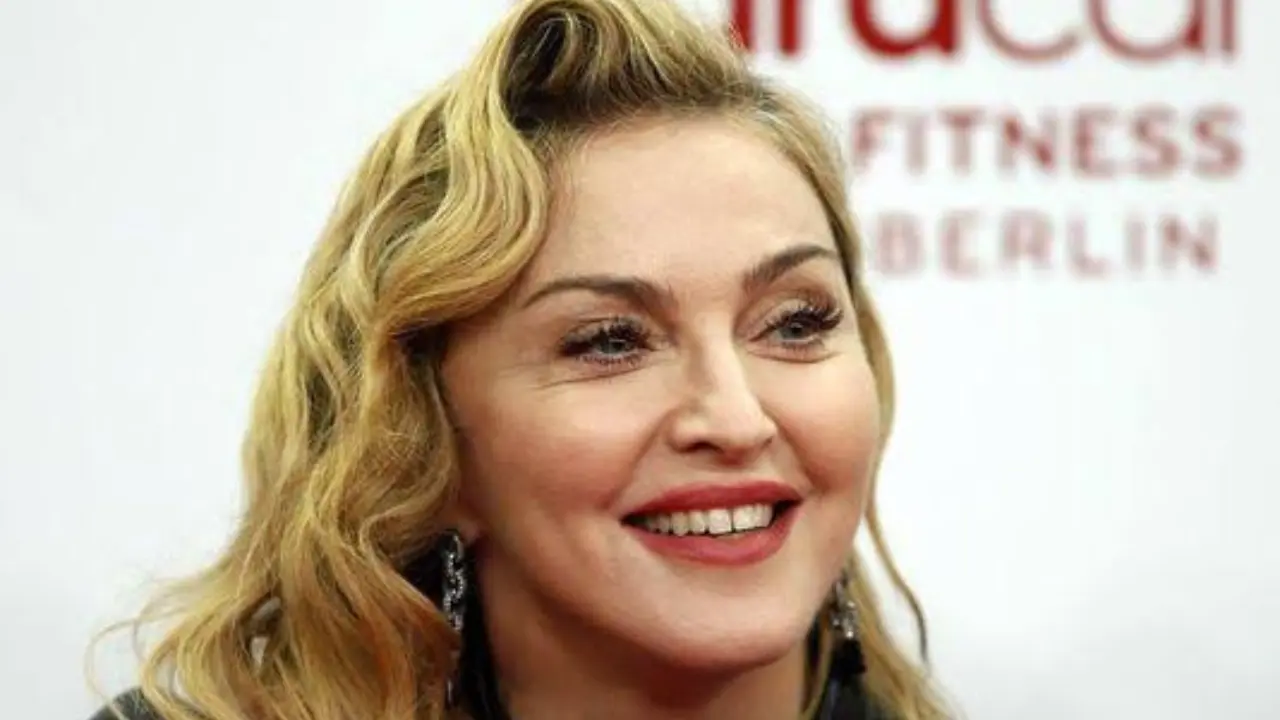
Few artists have shaped popular culture quite like Madonna. For more than four decades, she has continually reinvented herself, pushing creative boundaries across music, fashion, film, and performance. In this exclusive conversation with Mel Ottenberg, Madonna reflects on the inspiration behind her latest music, the personal experiences that influenced her songwriting, her creative process, memories from her early career, and her enduring passion for artistic evolution. Honest, insightful, and unmistakably candid, the conversation offers a rare glimpse into the mind of an artist who continues to redefine what reinvention truly means.
OTTENBERG: Let’s start at the beginning. Why this album now?
MADONNA: I was supposed to make a movie about my life. I worked on my script for two years and spent two years at Universal Studios with the line producers doing budgeting and casting. We had a falling out, me and Universal, regarding budget because I needed—I’ve had an extraordinary life. I’ve had a huge life, so I needed a big budget. You know what I mean? It’s not going be a—
OTTENBERG: An indie film.
MADONNA: No. They couldn’t get their heads around it. I found a way to make it for less money in Serbia, but I don’t think they were into the idea of—I don’t know. Maybe they just didn’t believe in me. One of their first reactions was, “We don’t believe you’d stay in Serbia more than four days.” And I said, “Did you read the script?” My whole life has been survival. I’m not going there for a holiday. But anyway, I was in limbo when that fell apart, and then Netflix reached out to make a series. That was a whole other long process, because I couldn’t use the script I had with Universal unless I bought it from them for an extortionist’s price, even though I wrote it. Don’t ask.
MADONNA: I reached out to Stuart [Price] because I thought the world is in a very dark place and people need to dance. I hadn’t worked with Stuart for a long time. We’d just done the Celebration Tour together, but besides that, I didn’t really see or speak to him for probably 15 years. I was living in New York and I reached out to him, thinking, “What if we tried to make Confessions on a Dance Floor: Part II, and reenter the world of inspirational dance music?” So I came to London and went to his studio, and we were just playing around to see if there was magic between us. I had a lot of stuff going on in my life personally. My brother was very, very, very ill, and my stepmother, with whom I’d had a very traumatic relationship throughout my entire childhood, had just died.
OTTENBERG: I’m sorry.
MADONNA: It’s hard for me to write a song about nothing. I have to tell a story. So I wrote about a lot of family trauma, and then we started making dance music. I came back and forth a couple of times and then I said, “Okay, this is right. This feels good. So unless Netflix is going to call me tomorrow with a writer I like, I’m going to start going down this road.” Of course, in the middle of the process, more than like 75 percent of the way through, we found the writer and I was like, “I can’t turn back now. I have to move this up a bit.” So that’s what I did.
MADONNA: Yeah, for sure, now that I’ve gotten through it and so many very important things have happened to me along the way. For instance, the song I wrote with my daughter, Lola. She approached me about writing a song together as a way to heal our relationship. It was a really important moment, and it solidified the idea that now is the time to make this record.
MADONNA: Well, all these symbolic things happened. My step-mother died, my brother was ill, my brother died, my daughter approached me… you know what I mean? And then I thought, well, it’s like the script of my film. It begins with death and it ends with death, but there’s all this life in between. Paradoxical subjects, obviously, but death is a part of life. It just felt like I had a lot to get off my chest.
OTTENBERG: It starts off so fun, really showing that if you started in the club world and you got where you are from the clubs, that’s always in you.
MADONNA: And it always saved me. I have a song that’s not on the record called “What Will Save Me.” I did it with Arca and Stuart. We all talked about feeling like outsiders and how the club life and being on the dance floor make you feel like you’re part of a community, without saying anything. It saves you every time, whenever you’re feeling down, whenever you feel like you can’t get it right, whenever you feel like a failure, whatever. Go out dancing because it will save you.
Back to Danceteria, 1982
OTTENBERG: You are! Okay, I want to talk about a song on your album, “Danceteria.”
OTTENBERG: I just want to hear you tell the story. Let’s talk about that night, at that club. It’s 1982. Did you have any money in your wallet?
MADONNA: No, no, no. I had no money. I was really a scavenger. I lived, I surfed. I lived in people’s apartments. They would let me come and stay for a few months, then I would sublet someplace for six months, then I would move again. I was constantly getting kicked out. I was living in a place that was illegal. What do you call it? Not a building you can live in, but a building you can work in.
OTTENBERG: And right then, Danceteria was the place.
MADONNA: I made my demo tape of “Everybody” and I was told there was a DJ named Mark Kamins. Everyone was like, “You’ve got to go there, you’ve got to meet him, you’ve got to figure it out. And try to dress interesting because they won’t let you in if you don’t look interesting.” I was like, “Oh fuck, I don’t have any interesting clothes.” I was living in my dancer clothes because that’s why I moved to New York, to be a dancer.
Making Confessions II
OTTENBERG: We’re back in real time. Did you guys start making the record by listening to the original Confessions?
MADONNA: Absolutely. It was about to be re-released, so we were like, “It’s got to be as good as or better than this.” I’ve made other records, like Ray of Light with William Orbit, and there’s all the stuff I do with Mirwais. I love all of them, but my sound with Stuart, I don’t even have to think about it. We just channel. That’s what I think was happening. That’s what producing means for me. You’re putting together all your tastes, your knowledge, your vision, and gathering a group of people who are aligned with you.
OTTENBERG: What’s the club of love, Madonna?
MADONNA: A place where you don’t need words to express how you feel, where you just connect to the music and have an out-of-body experience or enter a fever dream.
Four decades after that night at Danceteria, the instinct is the same: tell a story and make people move. Ottenberg also sat down with another pop star this year, and our piece on Charli XCX talking dream roles and creative freedom is a good next read.
This interview was originally published by Interview Magazine and has been condensed.
Related reading
- The Toadies Interview: Mark Reznicek on The Charmer, Steve Albini & Vinyl
- Charli XCX Opens Up to Mel Ottenberg on Dream Roles, Fashion, Music, and Creative Liberty
- Good Charlotte Interview: Paul Thomas on New Album, Club Tour & Pop-Punk Comeback
About the Author