

fast food
Fast food once meant one thing: a quick burger, fries and a side of guilt. It was cheap, convenient and rarely healthy. Today the industry is going through a real shift, one shaped by better ingredients, sustainability pledges and menus designed to include every kind of eater.
Whether you are gluten-free, plant-based or just trying to make better choices, fast food now has something for you. From specialist pizza shops to global chains repositioning themselves as “better-for-you” brands, the sector is changing quickly. The question is whether this is real progress or clever marketing, and whether fast food can ever outgrow its reputation for putting speed before substance.
Inclusive menus are becoming normal
Across Europe, inclusivity is becoming the norm rather than a token gesture. McDonald’s has introduced certified gluten-free buns in several countries, working with trusted brands such as Schär in Italy to make sure preparation and packaging are safe. Similar offerings have appeared in Austria, Spain, Portugal, Denmark, the Netherlands, Norway, Sweden and Switzerland, which is a long way from the sad “alternative option” of the past.
For people with coeliac disease, this matters more than it might seem. Eating out has often meant awkward conversations with staff, careful label reading and the constant worry of cross-contamination. A sealed, certified bun at a chain that is open late and found in almost every town removes a lot of that stress. It is a small change on a menu board, but a big one for the people who need it.
Outside the big chains, the innovation is even more interesting. In Spain, Pizza Natura has turned gluten-free pizza into something closer to a gourmet experience, using bases made from quinoa and millet, and has expanded from Barcelona to Madrid as demand grew. In London, places such as Honest Burgers and the health-focused Leon have shown that a quick meal can still feel indulgent while catering to people with dietary needs.
The plant-based revolution
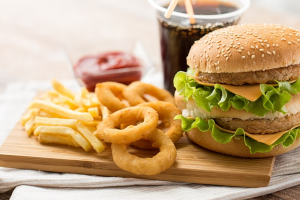
Plant-based eating has gone fully mainstream. Meat-free options are no longer limited to a bland veggie patty hidden at the bottom of the menu. Fast food brands are now serving dishes that are meant to compete on flavour and texture with the meat they replace.
McDonald’s Italy offers the McPlant, developed with Beyond Meat, while Burger King has talked about plans for half its menu to be plant-based by 2030. Its fully vegan locations in London and Madrid, serving items such as Vegan Nuggets and the Plant-Based Whopper, show how seriously big brands are taking the idea.
Independent brands are pushing further. Germany’s Vedang has won fans with hearty vegan comfort food, from loaded cheeseburgers to currywurst. With reports suggesting that around 40% of Europeans are cutting back on meat, this looks less like a fad and more like a permanent change in how people eat.
What is striking is who is ordering these dishes. Plant-based menus are no longer aimed only at vegans and vegetarians. Many customers are “flexitarians” who still eat meat but want to eat less of it, for health, cost or environmental reasons. Chains have realised that this group is much bigger than the strict vegan market, and they are designing menus with them in mind.
Gourmet fast food and local pride
Another major change is happening in the flavour department. Fast food is increasingly influenced by regional cooking and premium ingredients rather than a single global recipe.
In Italy, McDonald’s “My Selection” range, curated by chef Joe Bastianich, highlighted Italian staples such as Parmigiano Reggiano, local salami and aged balsamic vinegar. In Rome, the popular fast-casual brand Trapizzino has reimagined traditional street sandwiches with slow-cooked meats and artisan bread, proving that customers will pay a little more for authenticity.
This trend says a lot about European diners. People are proud of their local food cultures, and they notice when a brand treats those cultures with respect. A burger that uses a regional cheese or a sauce inspired by a local dish feels less like a product shipped in from elsewhere and more like something that belongs where it is sold.
Independents leading the charge
Independent restaurants are showing that inclusivity and sustainability can also be bold and creative. In Paris, Hank Burger serves a fully vegan menu with homemade sauces and dairy-free cheese, drawing diners well beyond the vegan crowd. In Madrid, Mad Mad Vegan has built a loyal following with rebellious branding and indulgent plant-based comfort food.
These smaller players often move faster than the giants. They can test a new dish on a Monday and change it by Friday, listen directly to their regulars and build a personality that big chains struggle to copy. Their success sends a clear message: fast food can be ethical, exciting and still deeply satisfying.
Is it real change or just marketing?
It is fair to ask how much of this is genuine. Big chains are very good at promoting a handful of new items while the bulk of their sales still come from the classics. A vegan burger on the menu does not automatically make a business sustainable, and “better-for-you” can mean very different things depending on who is saying it.
Price is another issue. Gourmet ingredients and specialist preparation cost money, and fast food built its success on being cheap. If healthier or more ethical options remain noticeably more expensive, they risk becoming a lifestyle choice for those who can afford them rather than a real change for everyone.
Even so, the direction of travel is clear. Customers are asking more questions about what they eat, where it comes from and how it is packaged, and brands that ignore those questions risk being left behind. Celebrity chefs, influencers and stars who talk openly about their diets have also helped make plant-based and allergy-friendly eating feel normal. For more on how famous names shape the way Europe lives and spends, take a look at our EuroCelebs Top 100 celebrities in Europe.
What comes next?
Several strong trends are shaping the future of fast food:
- Personalised menus: Build-your-own meals, tailored diets and allergy-friendly choices are becoming standard.
- Sustainability expectations: Compostable packaging, lower emissions and waste reduction are now competitive necessities rather than nice extras.
- Local flavours: Instead of identical menus everywhere, brands are celebrating regional identity, from gluten-free specialities to plant-based kebabs and gourmet burger variations.
- Transparency: Customers increasingly expect clear information about ingredients, allergens and sourcing, and they reward brands that provide it.
As gluten-free, vegan and premium options expand, the fast food industry is showing that convenience does not have to mean compromise. Heading into 2026, one thing is clear: fast food is no longer just about being fast. It is becoming smarter, more inclusive and, for many people, simply better.
About the Author