
Old money used to be able to stay off the stage. That deal is ending, not because palaces have become democratic, but because a new generation of heirs is now required to be seen. European royal heirs and aristocratic descendants are doing the public work their grandparents could delegate: state dinners, museum openings, fashion weeks, and, this month, a wedding that the society press treated as a secret only after the fact.
On November 10, 2026, Page Six, Town & Country, Hello! and Tatler all reported that Talita von Furstenberg, granddaughter of Diane von Furstenberg and Swiss-German prince Egon von Furstenberg, had married Rocco Brignone de Brabant in a lavish private celebration in Mexico. Coverage described a welcome party, fireworks, and an international high-society guest list. The couple did not publish a cost, and this column will not invent one.
What is public is the lineage and the fact of the match: a fashion-house granddaughter and a banking scion, of European families, choosing a closed ceremony that still produced a week of headlines. That is the new bargain. Privacy is attempted. Fame arrives anyway, because the name is the story.
European royal heirs: The palaces are still open, and still working
The same week and month, official Europe put old houses on display in more formal rooms. At Stockholm Palace, the Swedish royal family hosted the Sverigemiddag, a dazzling state-style evening of silver, crystal and about 200 guests, which EuroCelebs has already reported in full in its dispatch on the 2026 Sverigemiddag. In Madrid, King Felipe and Queen Letizia received Austria’s president and opened the Prado’s Mariana de Austria exhibition, a Habsburg echo in a Bourbon court, recorded in EuroCelebs’ report on the Prado evening.
These are not nightlife items. They are the working calendar of families whose power is now partly ceremonial and partly reputational, and whose younger members are expected to carry both.
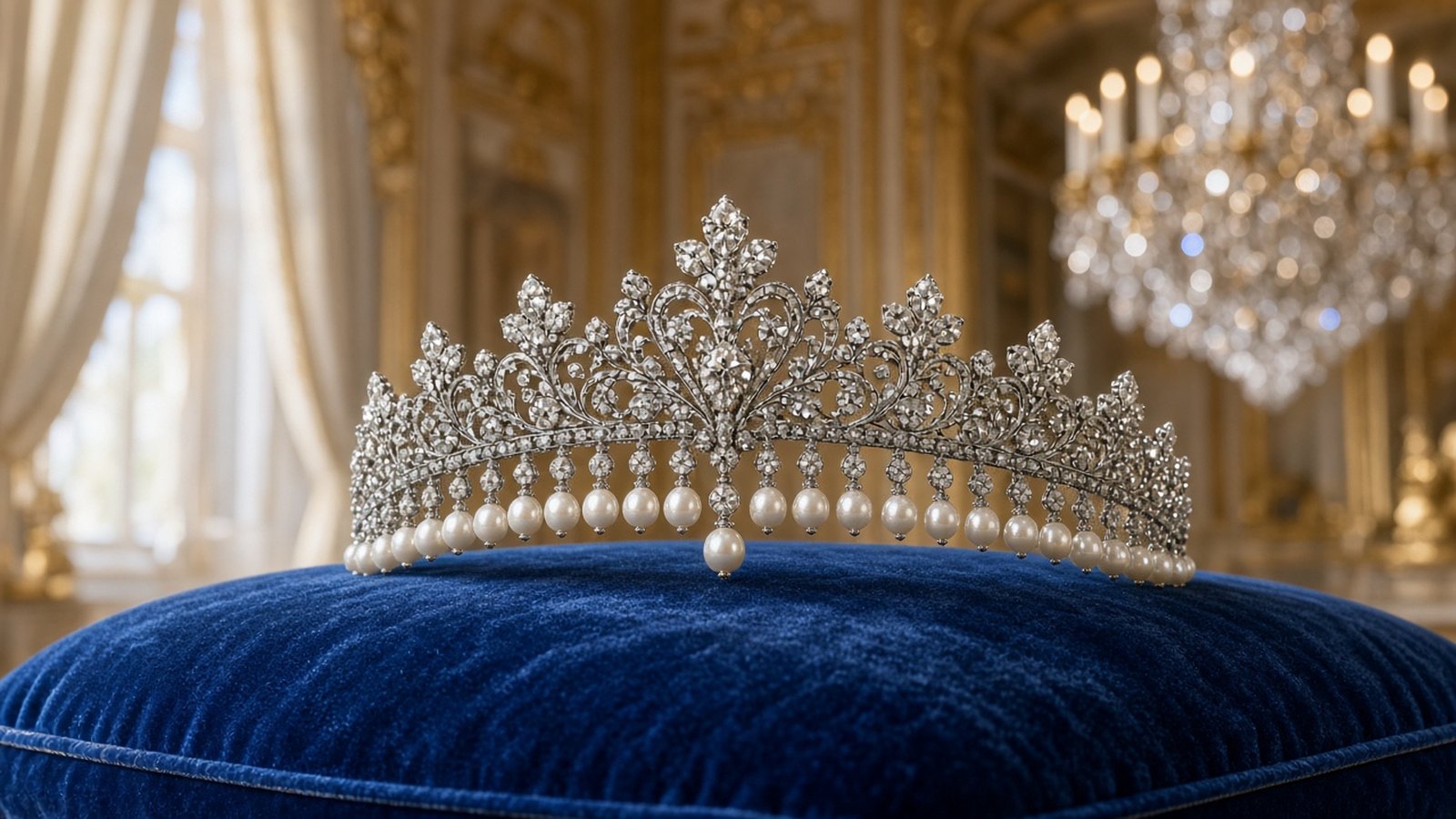
The symbols travel as well as the people. Wedding tiaras, in particular, remain the most efficient way for a house to show continuity, a point already made in EuroCelebs’ history of the royal wedding tiaras of Queen Elizabeth, Diana, Kate and Meghan. A new face in an old diamond is not a contradiction. It is the method. The heir is introduced to the public in an object the public already knows how to read.
Fame, without a pop song
The heirs reshaping European fame are not all singers or actors, though some of them work in fashion, sport or film. They are people whose names predate their careers, and whose careers are now part of how those names stay current. Some will marry in private and still be written about in Page Six. Some will open a museum hang and be written about in court circulars.
A few will do both in the same season. Old Money, New Faces will keep the two records together, and will only use the matches, sittings and official duties that can be sourced. The point is not to turn a family tree into a gossip chart. It is to watch how a continent’s oldest brands, the families themselves, introduce the next custodians, and how those custodians handle a camera their great-grandparents could more often refuse.
The Mexico wedding, the Stockholm dinner and the Prado opening are three versions of the same problem. How visible is visible enough? The new faces are already answering, in public, whether they like the question or not.
Frequently Asked Questions
Who is Talita von Furstenberg, and what happened this month?
She is the granddaughter of fashion designer Diane von Furstenberg and Prince Egon von Furstenberg. Page Six, Town & Country, Hello! and Tatler reported in mid-November 2026 that she married Rocco Brignone de Brabant at a lavish private celebration in Mexico. No official cost was published.
Is this column only about royals?
No. It includes aristocratic and old-business heirs as well as reigning and non-reigning royal families, provided their public appearances, marriages or official duties are documented.
Why does official palace diary material belong next to a society wedding?
Because both are ways an old name introduces or maintains a new generation in public. A state dinner and a closely held wedding are different tools. They solve the same problem of visibility.
About the Author
