Europe finally named its team for Ukraine talks. It named a crowd, not a captain, and the week immediately tested whether that voice can be heard.
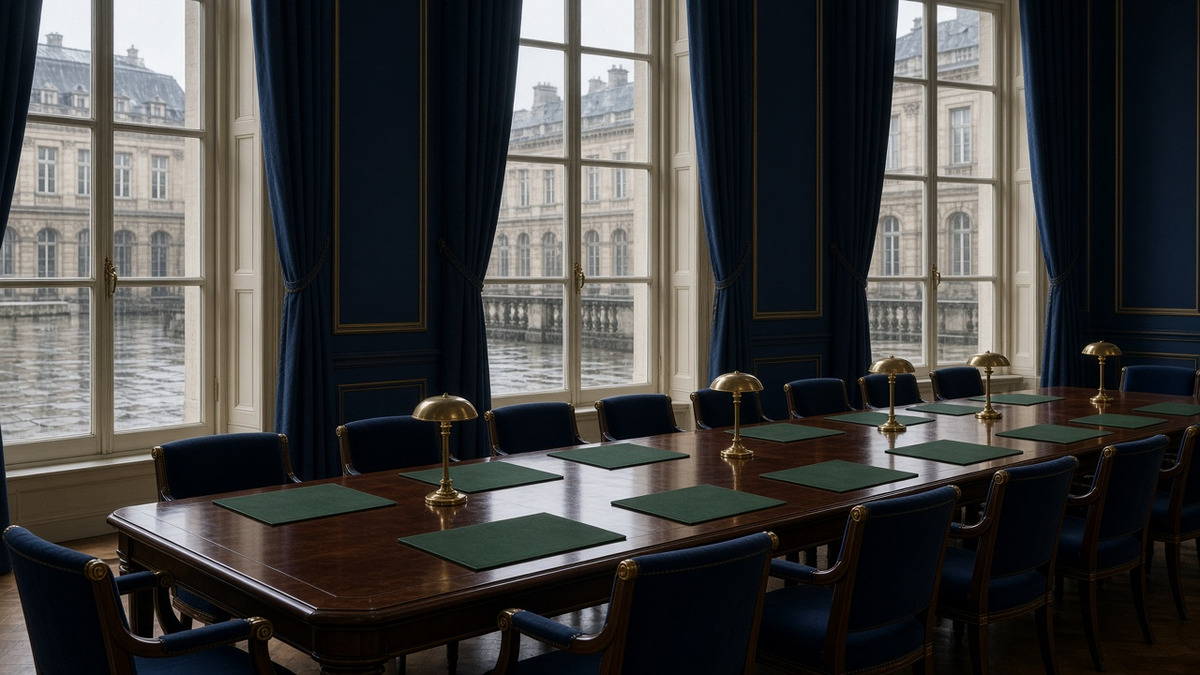
At an informal summit in Dublin on 13 November, European Union leaders agreed that Europe’s negotiating team for talks to end Russia’s war on Ukraine will be the EU institutions plus five countries: France, Germany, Italy, Poland and the United Kingdom. European Council President Antonio Costa said the leaders had agreed that “our European team for the negotiations on peace in Ukraine is the European Union institutions and the E5 of the Coalition of the Willing.” The Kyiv Independent quoted him saying, “Europe must speak with one clear and united voice in all discussions that shape the future of Ukraine and the security of our continent.”
The United Kingdom is not an EU member, but it sits in the E3 group with France and Germany, and now in the wider E5. NATO will also be represented, Euronews reported. Ukraine, the United States and even Russia had called on the EU to appoint a single representative. Leaders declined.
Dublin rejected a single envoy, and Kaja Kallas was left outside the job
Italian Prime Minister Giorgia Meloni had criticised the “disarray” of voices in the peace process and called for a single European envoy, Euronews reported. Poland had warned against Western European countries making decisions on behalf of the East. The compromise was expansion, not simplification: Italy and Poland were added to the existing group.
EU foreign policy chief Kaja Kallas had publicly sought the special envoy role. On Friday morning she argued that representing the bloc on foreign policy was part of her mandate, and said, “Russians do not want me” because of her “strong” views. Costa pointed back at the treaties, saying the president of the European Council represents the Union on common foreign and security policy at the level of heads of state and government. European Commission President Ursula von der Leyen also declined to back Kallas: “We decide on who represents us, and that’s what we’ve done today.”
German Chancellor Friedrich Merz was not prepared to give up Berlin’s seat. “The E3 format has proven very effective. Incidentally, we always include Italy and Poland,” he said in Dublin. Euronews noted that the talks have so far been among senior officials, not heads of state, and that Italy already sat in the Abu Dhabi round. Poland is expected to join the next one.
Then Zelensky put Donbas and NATO back on the European security table
The Dublin decision landed in the same 48 hours as a sharper comment from Kyiv. Ukrainian President Volodymyr Zelensky said US negotiators had, for the first time, raised the idea that Ukraine might withdraw its remaining forces from the eastern Donbas region in exchange for NATO membership. “The Americans raised a question: ‘What if Ukraine joins Nato? Would Ukraine withdraw from Donbas?’ This was the first time this had been raised,” he said in remarks released by his office on Saturday, the BBC reported.
The United States has not confirmed those comments. A US official told the BBC that “many ideas continue to be discussed but any final deal will have to be agreed to by both parties.” Zelensky said that if he received a specific proposal containing security guarantees, no constraints on Ukraine’s military and funds to rebuild the country, he would put it to a referendum. Hours later, US envoy Jared Kushner urged “confidentiality,” said “maximalist” proposals and “strong political rhetoric” had been reported, and described private discussions aimed at exploring new ideas. The BBC noted that Russia occupies roughly a fifth of Ukrainian territory and still demands the rest of the Donbas and Crimea before any ceasefire.
Costa had already drawn a European red line. “Only Ukraine has the legitimacy to decide on matters concerning its territory and sovereignty,” the Kyiv Independent quoted him saying. He warned that Russia’s continued attacks on Ukrainian civilians would be “a decisive test of Russia’s readiness to bring this war to an end.” Leaders are due to discuss Ukraine’s financing needs for 2027 and beyond at the European Council on 26 and 27 November.
The other unresolved question is whether Moscow will even sit with the new European team. After meeting Vladimir Putin in Moscow on Thursday, US envoys Steve Witkoff and Jared Kushner said Moscow had indicated it was willing to hold face-to-face talks with Europeans, Euronews reported. The Kremlin played that down.
Why this is a European story, not just a Brussels process story
Europe is fighting for a chair in a war that is already on its doorstep, and it is doing it in public, with famous national brands attached: Meloni, Merz, Costa, von der Leyen, Kallas, and a British seat that survived Brexit. That European claim, the refusal to be spoken for, is the same instinct Jeremy Irons put in plainer language in Lecce, when he said “I am European, despite Brexit,” a moment we covered in Jeremy Irons Honoured in Lecce.
The continent’s other power language is deals and circulation. We mapped that muscle in Sixth Sense: Why Europe Is Great in Sports and Deals, and the quieter luxury circuit that still moves regardless of summit communiques in Greece Weddings and Milan Quiet Luxury. For the American energy-politics frame sitting behind any winter security talk, see US Pulse News on The Politics of Oil. For the fee sheet that follows European live work even when the politics is loud, see Celebrity Fees on Metallica’s $346.64 average ticket.
Dublin gave Europe a delegation. Saturday gave that delegation a harder test: a possible territorial bargain, a US process that wants confidentiality, and a Kremlin that has not agreed to pull up a chair. One voice was the brief. The week showed how much work that sentence still needs.
FAQ
Who is on Europe’s Ukraine peace-talks team?
Antonio Costa said the team is the EU institutions plus the E5 of the Coalition of the Willing: France, Germany, Italy, Poland and the United Kingdom. Euronews reported that NATO will also be represented. The decision was taken at an informal EU leaders’ meeting in Dublin on 13 November.
Why did leaders reject a single European envoy?
Italy wanted one envoy to end what Giorgia Meloni called “disarray.” Poland did not want Western Europe speaking for the East. Germany’s Friedrich Merz said the E3 format had proven effective and that he saw no need for an institutional debate. Kaja Kallas had sought the envoy role and was not appointed.
What did Volodymyr Zelensky say about Donbas and NATO?
In remarks released on Saturday, Zelensky said US negotiators had asked, for the first time, whether Ukraine would withdraw from Donbas if it joined NATO. The United States has not confirmed the proposal. Zelensky said a specific plan with security guarantees, no limits on Ukraine’s military and reconstruction funds would go to a referendum.
Will Russia negotiate directly with the European team?
That is not settled. After the Moscow meetings on Thursday, Steve Witkoff and Jared Kushner said Moscow had indicated a willingness to hold face-to-face talks with Europeans. Euronews reported that the Kremlin played the comment down.
About the Author