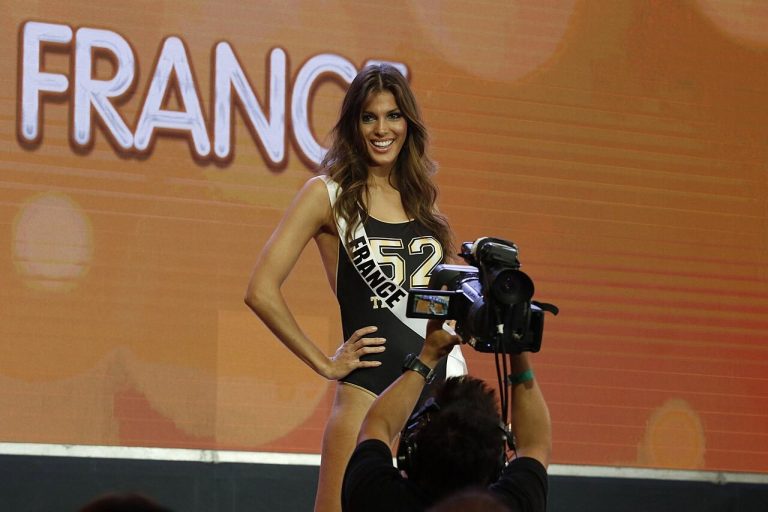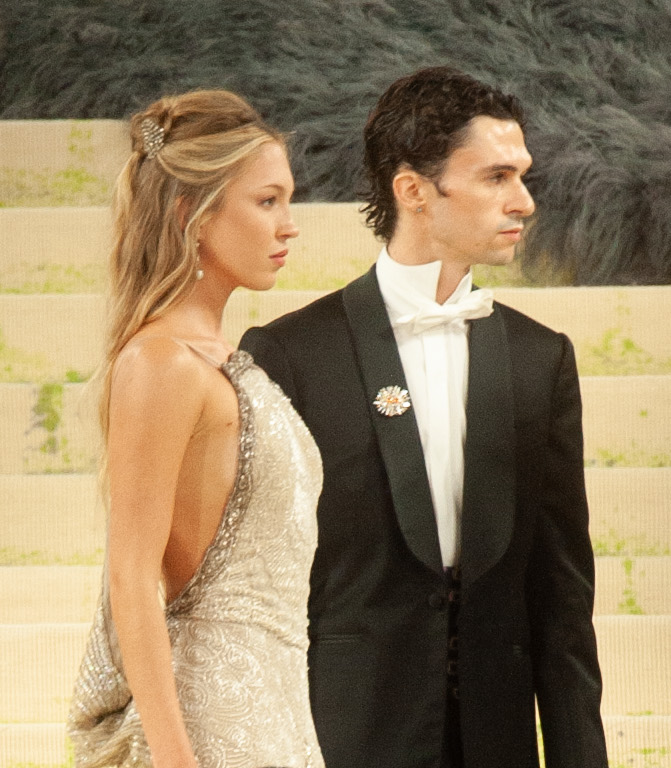
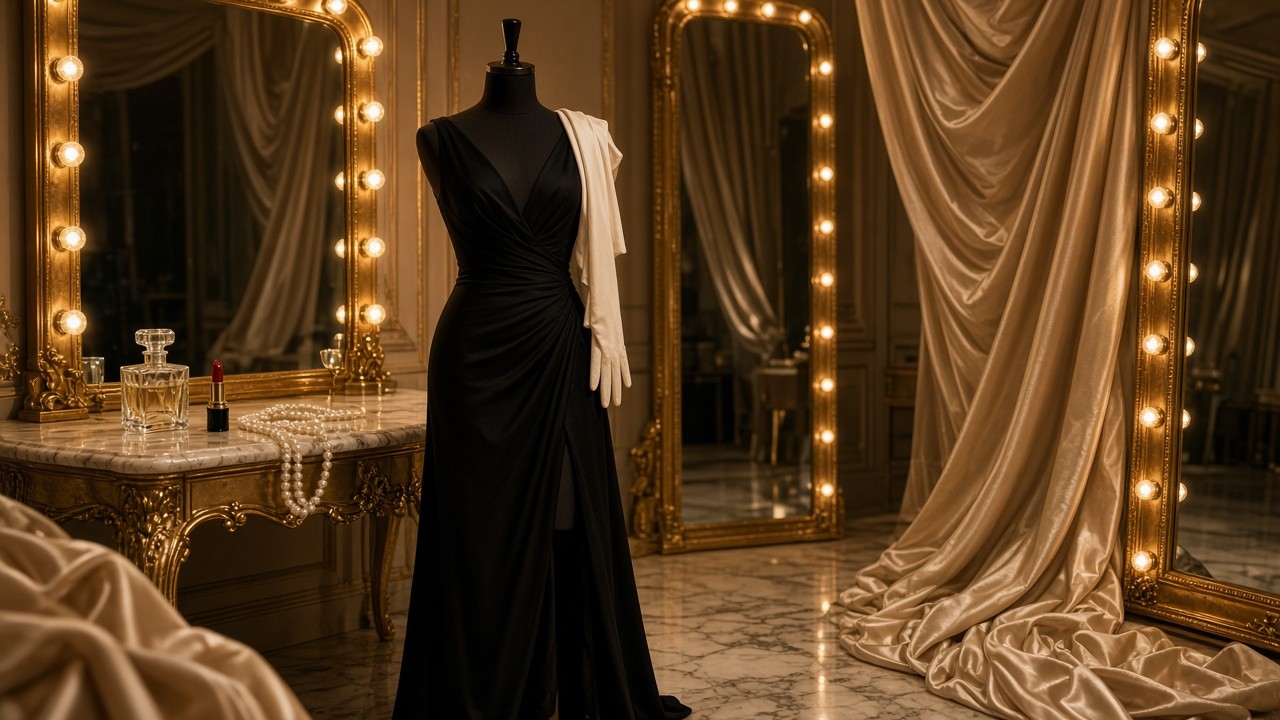
Audrey Hepburn, Grace Kelly, Sophia Loren, Monica Bellucci, Coco Chanel, Donatella Versace, Naomi Campbell, Kate Moss, Rihanna, Beyoncé, Zendaya, Margot Robbie and Kim Kardashian — the women whose presence became infrastructure.
Glamour is not a filter. It is a long game: a face the camera cannot drop, a house that outlives a season, a business that still prints money when the dress comes off. These are the most glamorous women ever to run fashion, business and Hollywood — not a thirst trap with a museum lighting pack, a roll call of women whose presence became infrastructure. We are not pretending a 1953 Oscar and a 2020s beauty empire are the same job. We are saying both jobs changed what a room does when she arrives. Some of them are gone. None of them are finished.
Hollywood’s original voltage
Audrey Hepburn remains the cleanest silhouette in the archive. Roman Holiday made her an Oscar winner. Breakfast at Tiffany’s made a little black dress feel like a skyline. The Givenchy alliance was not a paid cameo; it was a two-way style system that still gets stolen, season after season. Later, the UNICEF work made the elegance mean something other than a window. Grace Kelly took the same voltage and changed the address. Hitchcock’s cool blonde — Rear Window, To Catch a Thief, Dial M for Murder — then an Oscar for The Country Girl, then a real princess’s title in Monaco. That is not a rebrand. That is a border crossing. Sophia Loren brought Italian cinema’s heat to the global frame and won the Academy Award for Two Women, a performance that refused to be only decorative. Monica Bellucci is the modern Italian continuation: Malèna, The Matrix Reloaded, and a Bond turn in Spectre that proved glamour can still arrive late and own the room. Europe did not outsource this standard. It invented it, and then it kept raising it. Hollywood borrowed the voltage. The continent never stopped minting it. If you want the quieter European luxury practice that sits behind a red-carpet season, that is why we keep sending readers to Limited Editions Europe rather than to a comments pile.
The houses, and the women who run them
Coco Chanel did not just design clothes. She built a code — the jacket, the little black dress, No. 5 — that a century of houses are still arguing with. The legend is complicated, and we are not going to flatten it into a moodboard caption; the commercial fact is that the house still organises desire. Donatella Versace took over as creative director after Gianni Versace’s murder in 1997 and kept a loud, unapologetic house on its feet: Medusa, safety pins, the kind of glamour that arrives with a bassline. Naomi Campbell was one of the original supermodels who turned a booking into a geopolitical event, a Black British star who made the runway feel like a summit. Kate Moss, also British, redefined the 1990s frame — smaller, sharper, cooler — and proved that an era can be named after a face. The through-line is not a waist measurement. It is authority: a woman the industry still has to walk toward. Our own top 100 celebrities in Europe is the wider fame ledger; this page is narrower, and hotter, than a fame census. For the European cousin of this argument, stay with our files on supermodels and screen legends redefining sex appeal and the sexiest European female-star top ten.
The business-glam present tense
Then the women who treated fame as a holding company. Rihanna built Fenty, Fenty Beauty and Savage X Fenty into a beauty-and-fashion system that made inclusivity look like a P&L, not a press release. Beyoncé turned Parkwood and Ivy Park into an operating logic: the music is the cathedral, the brand is the estate. Zendaya made couture and award-winning screen work feel like the same job description — Law Roach on the carpet, Euphoria and Dune and Challengers in the credits. Margot Robbie added a producer’s spine to the glamour, LuckyChap and Barbie included, a star who learned to own the pipeline. Kim Kardashian turned reality television into SKIMS, shapewear, and a licensing machine; Celebrityfees already filed the business feature on that billion-dollar brand path, and the Australian rate-card chapter of Margot’s story sits in their look at the highest-paid Australian actors in and beyond Hollywood.
The dress is the hook. The house, the title, the company — that is the plot.
Limited Editions Europe is where this conversation goes when it wants a velvet rope. Their teaser on the four hottest women of 2026, only on LEE — Ana de Armas, Sydney Sweeney, Zendaya, Margot Robbie, with a winner still uncalled — is the living sequel. Pair it with LEE’s women-in-luxury-ads investigation, the limited-edition luxury brands map, and the invitation-only allocation desk. Global Celebrity Meter’s 2026 hottest-celebrities ranking, the Sydney Sweeney SYRN file, and the forthcoming Curves & Capital Index are the business-glam rhyme. Hollywood Movie Times has the secret-ritual file. If you are booking the living version, use the Celebrityfees enquiry desk and the Fee Meter. For a quieter luxury practice, Everyday Vitality by Richiegaps is live, beside MotivationsMasters’ daily vitality philosophy and the 18-hour energy blueprint. These thirteen names do not cancel each other. A 1950s princess and a 2020s beauty mogul are in the same argument because the camera, the house and the balance sheet still recognise the same thing when it walks in. Glamour this durable does not ask to be liked. It asks to be reckoned with.
About the Author